Texas Transmission Line Resources for Landowners
Welcome to our resources page, where you can find a wealth of helpful information. We've gathered links to articles, maps, and other resources, to deepen your understanding of the projects we are opposed to.
Other Groups
There are a number of dedicated groups across Central Texas fighting this project. Below are a few links to active groups near Burnet County.

The Edwards Plateau Alliance
Affected by the same transmission project as the Burnet Hill Country, this group is working to preserve their natural resources by creating community through communication in order to engage in education regarding preservation and conservation of natural resources, wildlife, habitat, ranching heritage and rural community within the geographic area known as the Edwards-Trinity Aquifer.

STOP: Bell County East - Big Hill 765
A public Facebook group of individuals against the Bell County Easy to Big Hill 765kV proposal

Friends of the San Saba River
Friends of the San Saba River (“FOSS”) is leading the fight against the three proposed routes for the Oncor/LCRA 765kV high-voltage transmission line. FOSS released the following video that explains how the proposed transmission line threatens the San Saba River.

Hill Country Preservation Coalition
The Hill Country Preservation Coalition is a grassroots coalition of land owners and conservation groups committed to preserving the pristine Hill country and our neighboring regions. We aim to protect Texas’s most iconic river basins. We do this through prevention of needless ecological damage and fragmentation of the Texas Hill Country to the benefit of all who enjoy the region.

This link will take you to a sample testimony template, intended as a helpful starting point, especially for those participating without an attorney. While the document is formatted to generally align with expectations, each person is responsible for ensuring their own filing is accurate and complete. We encourage you to add, remove, or modify questions to reflect your specific situation. This is not a comprehensive list, but a collection of commonly raised questions put together by a determined landowner on the Dinosaur to Longshore line who wanted to help others through the process.
For the link to a sample template for a Statement of Position, click here.

The linked schedule (page 5) outlines the key milestones for this proceeding as memorialized by the Public Utilities Commission (PUC). Please note that while these dates are established as firm deadlines to ensure the efficient progress of the case, the nature of regulatory proceedings means they are subject to change based on ALJ and Commission orders or unforeseen procedural necessities.

When utilties submit their application for a CCN amendment to build out new transmission facilities, you can read it, as well as submit to it, here.
To submit a letter of protest, or other filing to the docket, click here.
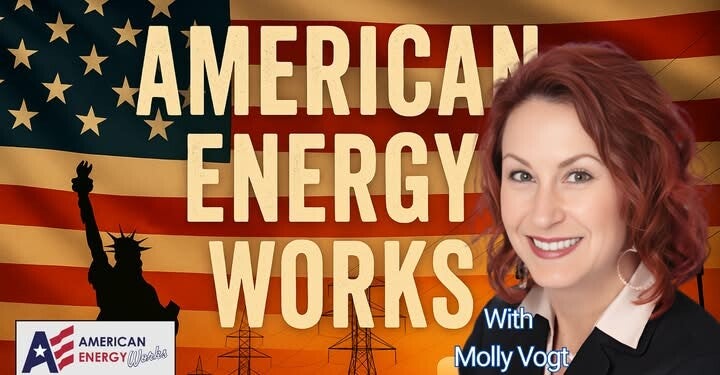
This link will take you to the American Energy Works podcast done by Molly Vogt, where she interviews Dr Brent Bennett from the Texas Public Policy Foundation. He gives a great explanation of what is really happening with the rising electricity costs, transmission projects, and alternative solutions. (The second half of the interview is the most applicable to our situation.)

Every land owner should understand the true risks of this project, including the effect on the value of their land. Eminent domain settlements are only part of the story.

This is the detailed ERCOT plan to "provide reliable service for their customers and to protect the ratepayer," at a rate-payer cost of $33 billion (estimated to actually be $80 billion after financing and yearly maintenance costs). (Click here for a helpful summary of the full document posted by a local business.)
